Build, extend, and support cloud-connected .NET applications with practical cloud
development expertise.
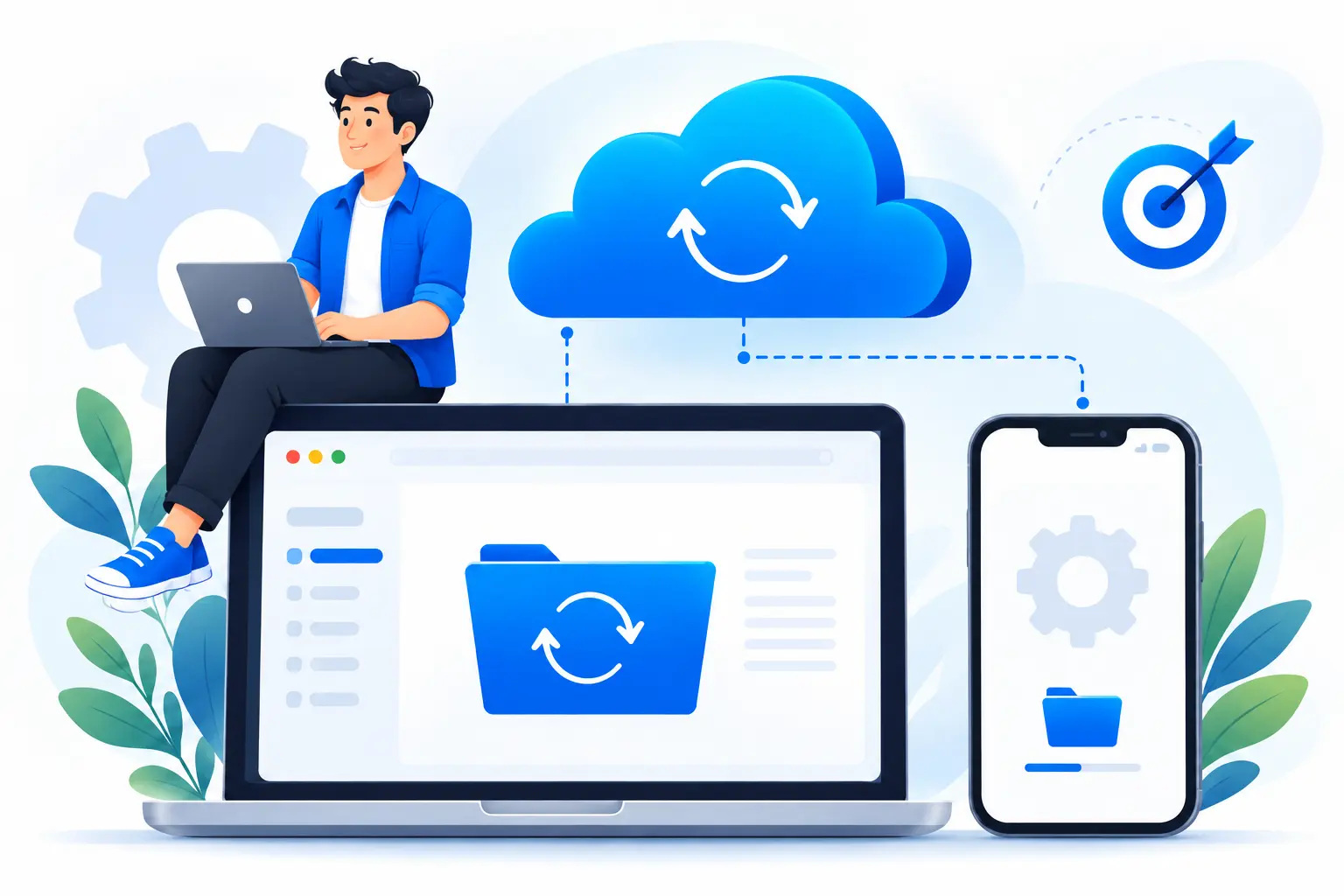
DotNet Expert helps businesses integrate Microsoft Azure, AWS, cloud storage,
managed application services, authentication, APIs, and external systems
with modern and existing .NET applications.
Whether you need Azure Blob Storage, Amazon S3, cloud-based authentication, external
service integration, centralized configuration, or additional cloud capabilities inside
an existing application, we can focus on the application layer without introducing
unnecessary infrastructure complexity.
Cloud Platforms & Services We Work With
Cloud development is about how an application uses cloud capabilities—not simply where
the application is hosted. A .NET application may use cloud services for file storage,
authentication, configuration, external integrations, application services, or shared
functionality.
Our focus is on adding cloud capabilities where they solve a clear application
requirement, not on introducing cloud services simply because they are available.
What Can a .NET Cloud Developer Help You With?
Cloud development often starts with a specific application requirement rather than a
complete infrastructure redesign. You may already have a working .NET application that
needs one or more cloud capabilities.
Cloud-Connected .NET Applications
Connect ASP.NET Core, Web API, Blazor, desktop applications, or other .NET systems
with cloud-based services.
Azure Application Development
Use Azure services inside .NET applications for storage, configuration,
authentication, integrations, and other application requirements.
Cloud Storage Integration
Store and retrieve files using Azure Blob Storage, Amazon S3, or another suitable
cloud storage service.
API & Service Integration
Connect applications with cloud-hosted APIs, external platforms, authentication
providers, or managed services.
Existing Cloud Application Support
Extend or troubleshoot applications that already use Azure, AWS, or other
cloud-connected services.
Application Configuration
Manage environment-specific application settings, cloud configuration,
connection values, and service endpoints.
Authentication & Authorization
Work with ASP.NET Core Identity, JWT, OAuth, OpenID Connect, roles, claims, and
supported external identity providers.
Cloud Application Troubleshooting
Investigate storage access issues, configuration errors, API connectivity,
authentication failures, and application-level cloud problems.
Cloud Development for Existing .NET Applications
Moving an application toward the cloud does not always require rebuilding it. An existing
ASP.NET Core, MVC, Web API, Blazor, or desktop application can often adopt cloud services
incrementally.
Cloud File Storage
Move selected files, documents, images, exports, or application-generated content
from local storage to a cloud storage service.
Hosted & External APIs
Connect existing business logic with cloud-hosted APIs and external services
without replacing the full application.
Authentication & Identity
Add or improve external identity, token-based authentication, roles, claims, and
authorized API access.
Application Configuration
Separate environment-specific settings and service values so the application can
work reliably across development and hosted environments.
Cloud Application Development
Cloud-enabled applications can combine traditional .NET development with managed cloud
services. A typical application may use
ASP.NET Core, Web API, SQL Server or PostgreSQL, Azure App Service, cloud storage,
and external APIs while keeping its business logic inside a maintainable .NET
architecture.
The goal is not to make an application “cloud-native” simply for the label. The goal is
to use cloud capabilities where they improve accessibility, integration, scalability,
reliability, or maintainability.
Cloud Storage & File Management
Cloud object storage can be useful when an application needs to manage files independently
from the web or application server.
01
User File Uploads
Store documents, images, attachments, exports, and other uploaded files in cloud
storage.
02
Private File Access
Keep sensitive or application-specific files private and control how users can
access them.
03
Temporary Access
Generate controlled, time-limited access where supported by the selected storage
platform.
04
Application-Generated Files
Store invoices, reports, generated documents, backups, exports, and other
application output outside the main application server.
Cloud APIs & Integrations
Cloud-connected applications often communicate with payment services, CRM platforms,
messaging providers, file services, authentication providers, accounting systems,
partner APIs, internal services, or webhook endpoints.
We can implement the application-side integration while keeping responsibilities between
your code and external services clear. For broader external-platform integration
requirements, see our
Third-Party Integration service.
Authentication for Cloud-Connected Applications
Applications that communicate across web, desktop, API, and cloud environments often need
structured authentication and authorization.
ASP.NET Core Identity
Support application users, roles, claims, account workflows, and identity-related
application requirements.
JWT Authentication
Use token-based authentication for APIs and applications where a JWT workflow fits
the project.
OAuth & OpenID Connect
Integrate supported external identity or authorization providers using standard
authentication protocols.
Roles & Claims
Apply application permissions and authorization rules around users, roles, claims,
APIs, and protected resources.
Existing Cloud Environment Support
You do not need to start from a blank cloud environment. We can work with an application
that already uses Azure or AWS and focus on a defined requirement.
01
Add a Cloud Capability
Add storage, authentication, an API, a managed service, or another focused cloud
feature to an existing application.
02
Fix Existing Integrations
Resolve service access, configuration, authentication, storage, or connectivity
issues without redesigning the full system.
03
Extend the Application
Build new cloud-connected workflows while preserving working application
functionality and architecture where practical.
Scalability, Reliability & Cost Awareness
Cloud services can make applications more flexible, but additional services also introduce
dependencies and recurring costs. We consider practical application needs before adding
cloud components.
Scalability
Cloud-connected components should support expected usage without introducing
avoidable bottlenecks.
Reliability
Applications should handle temporary API, storage, or external-service failures
predictably.
Performance
Avoid unnecessary network calls, repeated cloud requests, inefficient transfers,
and other avoidable application overhead.
Cost Awareness
A managed service should provide enough practical value to justify its ongoing
cost and operational complexity.
Cloud Development for Business Applications
Cloud capabilities can support SaaS applications, CRM systems, ERP software, inventory
applications, financial systems, healthcare applications, e-commerce platforms,
administrative portals, reporting systems, and internal business applications.
Typical requirements include shared data access, file storage, remote connectivity,
external service integration, authentication, and cloud-hosted application services.
Our Cloud Development Approach
01
Understand the Application
We review the existing application, architecture, data flow, and the cloud
capability you actually need.
02
Identify the Right Cloud Responsibility
We determine what should remain inside the application and what should use a cloud
or managed service.
03
Integrate With the Existing Architecture
Where possible, cloud functionality is added without unnecessarily restructuring
working application code.
04
Handle Configuration & Security Carefully
Connection details, credentials, permissions, environment values, and service
access remain controlled and environment-specific.
05
Test the Complete Workflow
We verify both application behavior and communication with the cloud service
involved.
Why Hire .NET Cloud Development Support From DotNet Expert?
Strong .NET Focus
Our cloud development work is closely connected with C#, ASP.NET Core, Web API,
Blazor, SQL Server, PostgreSQL, and .NET business applications.
Azure-Oriented Development
Azure works naturally with many Microsoft and .NET application environments,
making it a key part of our cloud development work.
Existing Application Support
Add cloud capabilities to an existing application without automatically replacing
its architecture.
Application-Level Cloud Focus
The focus remains on how your application uses cloud services rather than creating
infrastructure for its own sake.
Backend & Integration Understanding
Cloud development often involves APIs, databases, authentication, storage, and
application services working together.
Practical Technology Choices
Cloud services are used where they solve a real application requirement without
introducing unnecessary complexity.
Cloud Development, DevOps & Web Deployment
Cloud Development
Focuses on application functionality that uses cloud services, such as Azure Blob
Storage, Amazon S3, authentication, APIs, configuration, and managed application
services.
DevOps Engineering
Focuses on CI/CD pipelines, build and release automation, Docker, monitoring, and
operational delivery. See our DevOps Engineers
page for this work.
Web Deployment
Focuses on taking an application into production, including hosting, domain, SSL,
database, and production configuration. See our
Web Deployment service.
Simple Cloud Developer Hiring Process
01
Share Your Requirement
Tell us about the application, current technology, cloud platform, and functionality
you need.
02
Review the Existing System
We review the relevant application structure, integrations, configuration, and
cloud services already in use.
03
Define a Focused First Task
This may be cloud storage integration, an Azure service, authentication, an API
connection, or a specific cloud-related application problem.
04
Develop & Test
We implement the required functionality and test the complete
application-to-cloud workflow.
05
Continue as Needed
Support can continue with additional cloud integrations, services,
troubleshooting, or application improvements.
Frequently Asked Questions
Yes. We can work with an existing .NET application that already uses Azure
and add or improve specific cloud functionality.
Yes. We can integrate Azure Blob Storage for uploads, downloads,
application-generated files, controlled access, and other file-storage
workflows.
Yes. We can support application-level AWS requirements such as storage,
service integrations, application configuration, and existing AWS-connected
applications.
Yes. A .NET application can use Amazon S3 for object and file storage where it
fits the project requirements.
Yes. Cloud functionality can often be added incrementally without rebuilding
the entire application.
Yes. Depending on the project, we can work with JWT, OAuth, OpenID Connect,
ASP.NET Core Identity, roles, claims, and external identity integrations.
No. Cloud development focuses primarily on application functionality that uses
cloud services. DevOps focuses more on CI/CD, automation, release workflows,
monitoring, and operational delivery.
Yes. For complete application deployment and production configuration, see
our Web Deployment service.
Hire a .NET Cloud Developer
Need to add Azure services, AWS integration, cloud storage, authentication, APIs,
or other cloud-connected functionality to a .NET application?
Tell us what your application currently uses and what cloud capability you need. We can
review the requirement and identify a practical way to add cloud functionality without
unnecessary architectural complexity.
Related .NET Services
Explore our additional .NET services to build, modernize, deploy, maintain, and integrate business applications.
Custom Web Application Development
Turn business requirements into scalable, secure, and intuitive web applications designed around your workflows and users.
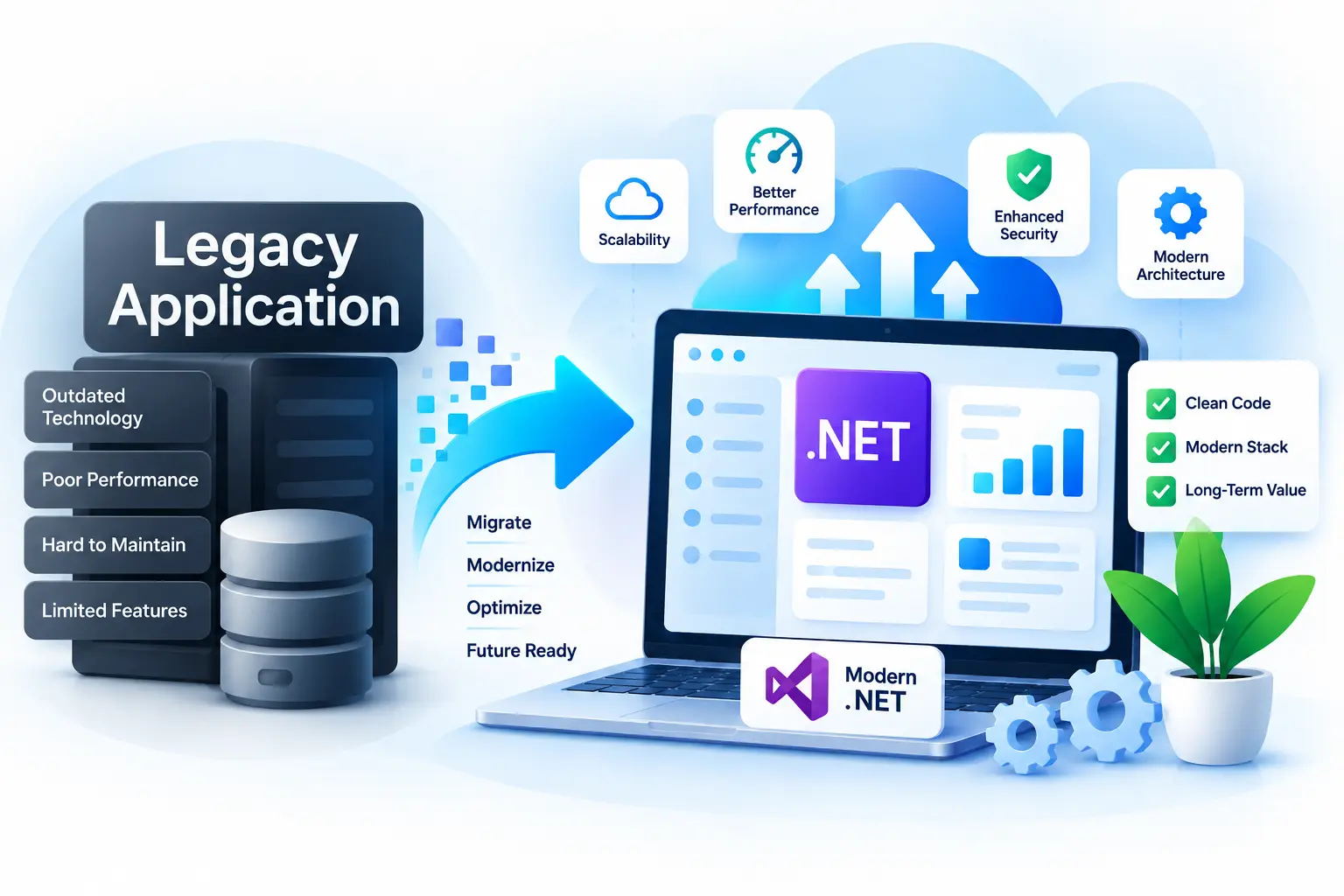
.NET Application Modernization
Upgrade aging .NET applications with modern technologies, improved architecture, better performance, and a foundation for future growth.
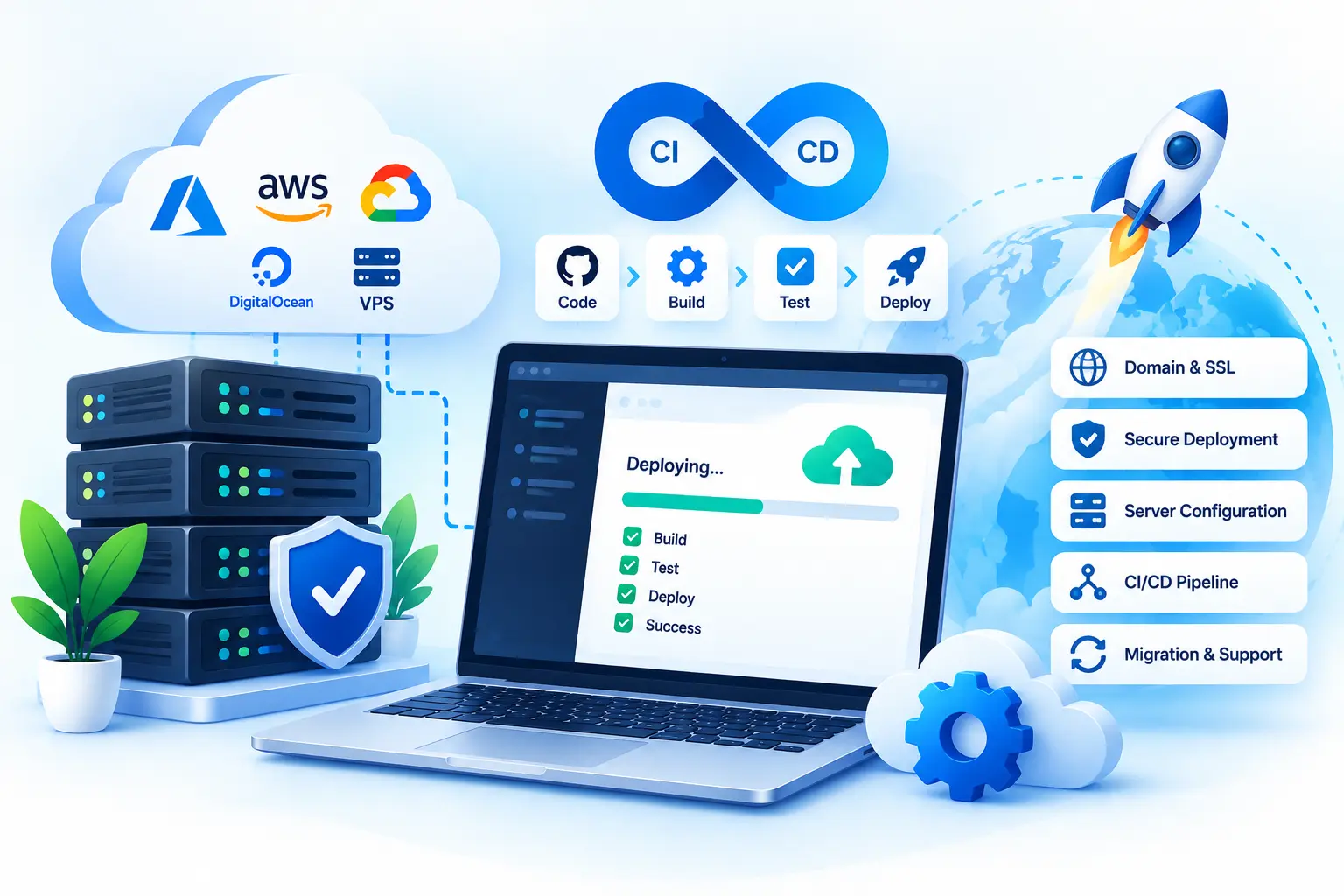
Web Deployment & DevOps
Move applications from development to production with reliable deployment, hosting, CI/CD, server configuration, and release support.
Let's Work Together
Have a project in mind?
Let's build something that works for your business.
Tell us about your project, requirements, or technical challenges.
We'll help you explore the right solution and next steps.
✓
Clear Communication
Stay informed throughout the project
✓
Practical Solutions
Focused on your actual business needs
✓
Experienced Team
Professional development experience
Start a Conversation
Let's discuss your project
Whether you have a new idea or need help with an existing
application, we're here to help.
Get in Touch
→
No obligation · Let's talk about your project