Build, improve, and maintain reliable backend systems with experienced
.NET backend development support.
Whether you need help with an existing application, a new REST API, database-driven
business logic, third-party integrations, or ongoing backend development, DotNet Expert
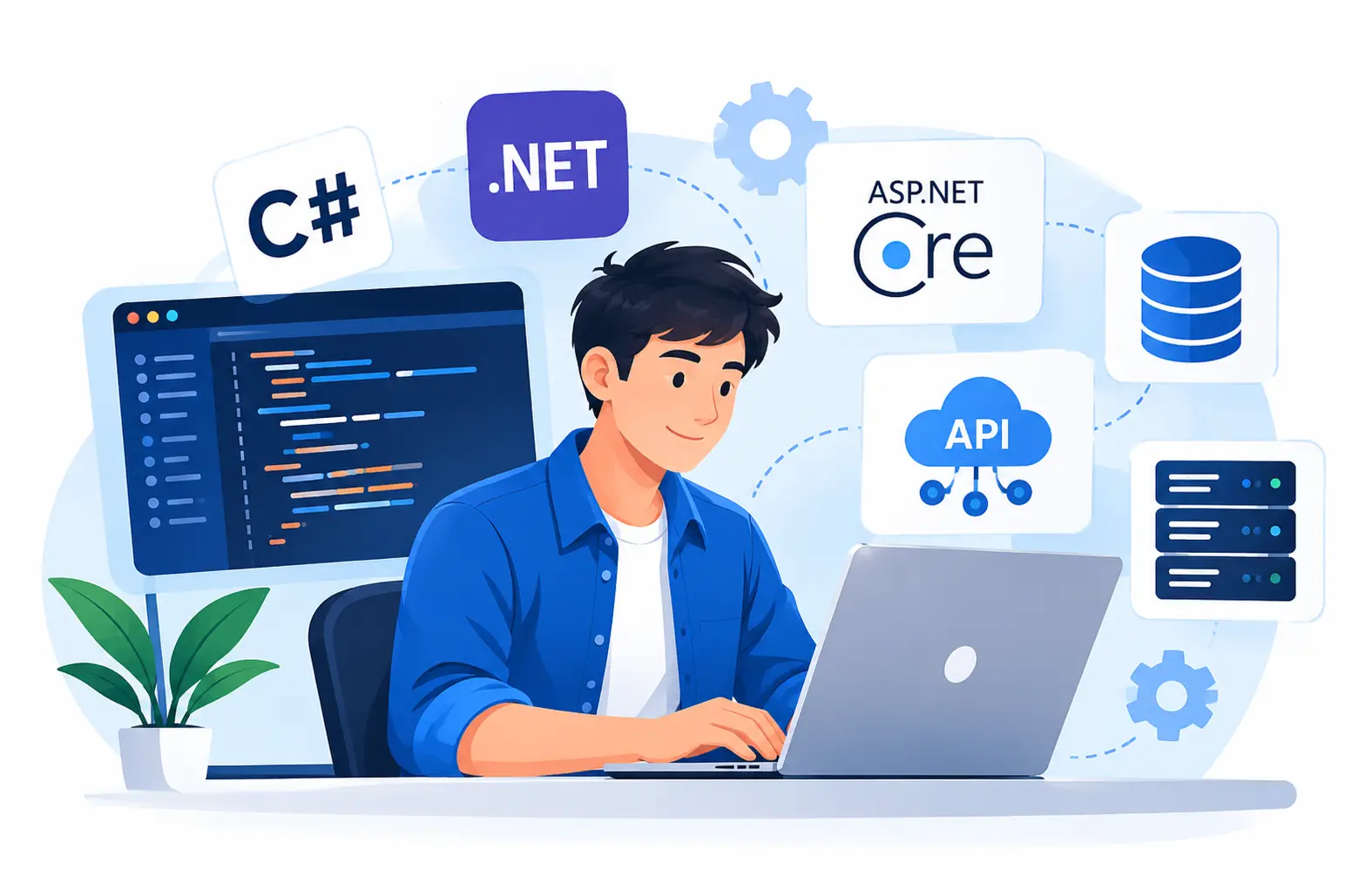
can support your project with C#, ASP.NET Core, Web API, Entity Framework Core, Dapper,
SQL Server, PostgreSQL, Redis, and Azure.
The focus is not simply writing server-side code. It is understanding how your
application works, how data moves through the system, where integrations connect,
and how backend changes can be made without creating unnecessary complexity.
Backend Technologies We Work With
Reliable backend development usually combines application logic, APIs, databases,
authentication, integrations, caching, and production infrastructure. Our work is focused
on technologies commonly used in modern and established .NET business applications.
ASP.NET Core IdentityJWTOAuth / OpenID ConnectREST APIsWebhooksAzure
The exact technology mix depends on your existing application, data layer,
integrations, deployment environment, and the backend work you need completed.
What a .NET Backend Developer Can Help You With
Many backend projects do not begin with a blank solution. They start with an existing
system that needs a new API, a database change, an integration, a performance fix,
or someone who can understand the current codebase and continue development safely.
REST API Development
Build or extend APIs for web applications, mobile applications, partner systems,
internal services, and third-party integrations.
Existing Backend Development
Continue development inside an existing .NET solution after reviewing its
architecture, services, dependencies, data access, and business rules.
Business Logic Implementation
Turn operational requirements into structured backend workflows, validation,
calculations, permissions, and application services.
Database Development
Work with SQL Server or PostgreSQL for queries, relationships, migrations,
stored procedures, data access, and performance-related improvements.
Authentication & Authorization
Implement or improve ASP.NET Core Identity, JWT, roles, claims, OAuth,
OpenID Connect, and application-specific authorization rules.
Investigate API failures, database issues, application exceptions,
authentication errors, integration failures, and slow backend operations.
Support for New and Existing .NET Backends
01
Existing Applications
Start by understanding the current solution, database, dependencies,
coding patterns, integrations, and the exact backend area that needs attention.
02
New Backend Features
Add APIs, services, workflows, authentication, reporting logic, database changes,
or integration endpoints without turning a focused requirement into a full rebuild.
03
New Backend Foundations
For a new project, define the core data model, API boundaries, security needs,
integration points, and maintainable backend structure before implementation.
Backend Development for Business Applications
Business applications often have backend requirements that are very different from a
simple content website. They may manage customers, inventory, financial transactions,
permissions, workflow states, reports, integrations, notifications, or large amounts
of structured data.
SaaS & Internal Platforms
Backend services for multi-user applications, operational portals,
dashboards, permissions, subscriptions, and internal workflows.
CRM, ERP & Inventory Systems
Business logic and data workflows for customers, orders, stock, transactions,
reporting, administration, and operational processes.
Finance, Healthcare & Education
Data-driven backend workflows where application rules, permissions,
integrations, and reliable processing are important.
E-commerce & Integration Systems
APIs and backend services connecting orders, payments, external platforms,
inventory, notifications, storage, and business systems.
A Practical Backend Engineering Approach
We prefer practical engineering decisions over adding architecture simply because a
pattern or technology is popular. The objective is understandable backend code that
solves the requirement and remains maintainable.
01
Understand Before Changing
Review the relevant solution structure, application flow, data access,
dependencies, integrations, and current problem before changing code.
02
Keep Boundaries Clear
Separate API, application, data, integration, and security responsibilities
where that separation improves maintainability and troubleshooting.
03
Use Patterns Where They Help
Dependency injection, service layers, repository patterns, and other approaches
are used when they fit the application rather than being added automatically.
04
Protect Important Workflows
Backend changes are checked against the APIs, database operations,
authentication, integrations, and business rules they affect.
A Simple Backend Developer Hiring Process
01
Share Your Requirement
Tell us about your application, backend task, current issue, technology stack,
or the type of .NET backend support you need.
02
Review the Technical Scope
We identify the relevant backend areas such as APIs, database work,
integrations, authentication, background processing, or existing application changes.
03
Define the First Task
For an existing application, a clear feature, issue, or backend task creates
a practical starting point for understanding the codebase and working process.
04
Develop and Review
Backend changes are implemented in manageable stages so the affected workflows
can be reviewed, tested, and adjusted before production delivery.
05
Continue as Needed
The engagement can continue with additional backend features, integrations,
troubleshooting, database work, optimization, or ongoing development support.
Why Hire .NET Backend Support From DotNet Expert?
Backend work often crosses several technical boundaries at once. A change to one API can
affect authentication, database access, integrations, application workflows, and deployment.
The ability to work across those areas is often more useful than a long list of unrelated technologies.
Strong .NET Backend Focus
Work centers on C#, ASP.NET Core, Web API, Entity Framework Core, Dapper,
SQL Server, PostgreSQL, Redis, and related .NET technologies.
Existing Codebase Experience
Development can begin inside an established .NET solution instead of assuming
the system should be rebuilt from scratch.
API & Database Experience
Backend work can span APIs, services, SQL queries, EF Core, data relationships,
authentication, and integration workflows.
Direct Technical Communication
Requirements, technical problems, trade-offs, and implementation details can be
discussed directly and translated into focused development tasks.
.NET Backend Developer FAQ
Yes. Backend work can be performed inside an existing application after
reviewing its structure, dependencies, data access, integrations, and
relevant business workflows.
Yes. REST APIs can be built or extended for web applications, mobile apps,
internal systems, partner integrations, and third-party services.
Yes. Backend development can include SQL Server or PostgreSQL together with
Entity Framework Core, Dapper, or direct SQL where appropriate.
Yes. Backend development can be handled independently while your team works
on the frontend, provided the API contracts and integration requirements are clear.
Yes. Ongoing support can include backend features, bug fixing, database work,
API changes, integrations, troubleshooting, performance improvements,
deployment support, and maintenance.
Need a .NET Backend Developer?
If you need help extending an existing ASP.NET Core application, developing APIs,
working with SQL Server or PostgreSQL, integrating external systems, or solving backend
problems, tell us what you are working on.
We can review the requirement and identify a practical starting point for the backend work.
Related .NET Services
Explore our additional .NET services to build, modernize, deploy, maintain, and integrate business applications.
Custom Web Application Development
Turn business requirements into scalable, secure, and intuitive web applications designed around your workflows and users.
.NET Application Modernization
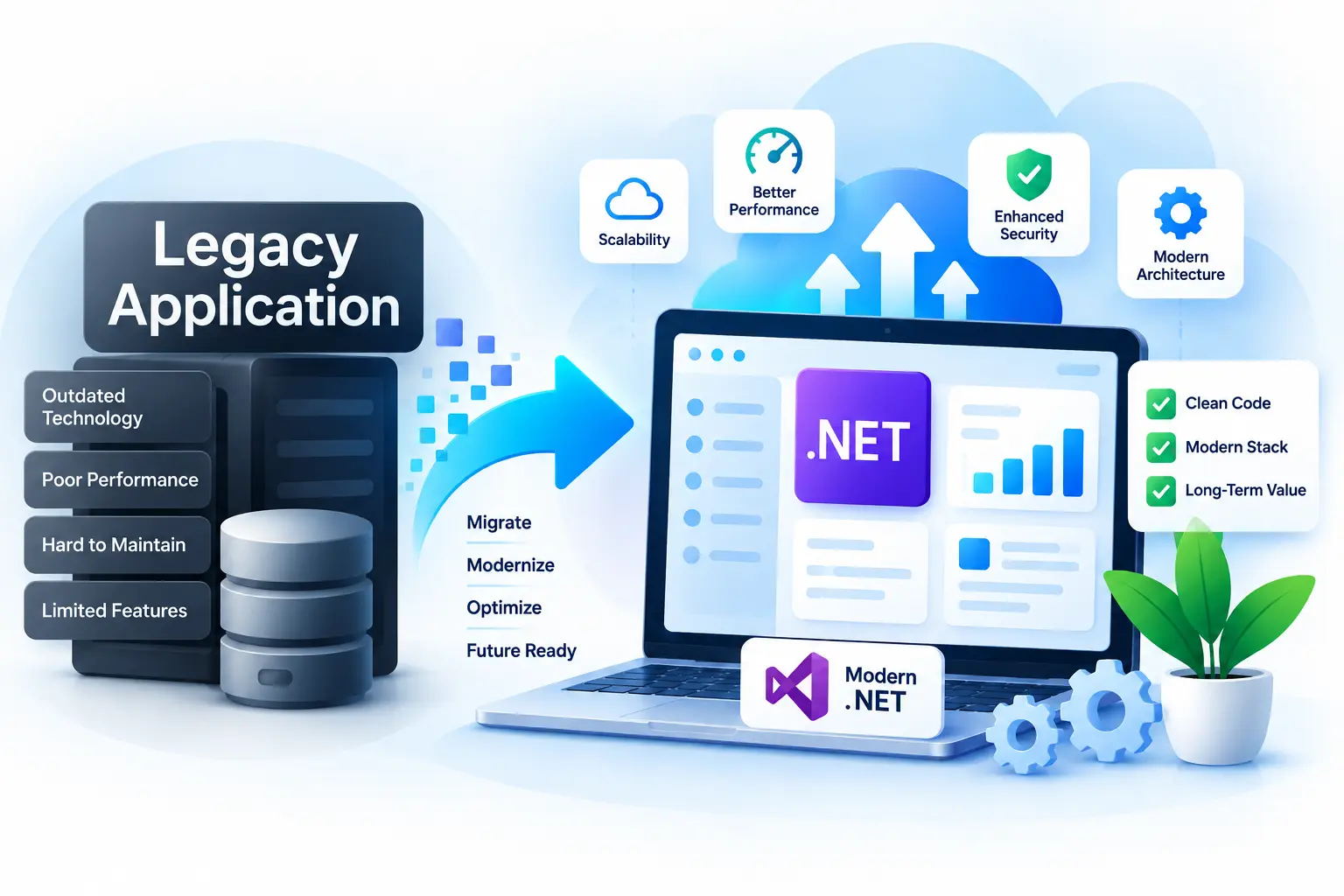
Upgrade aging .NET applications with modern technologies, improved architecture, better performance, and a foundation for future growth.
Web Deployment & DevOps
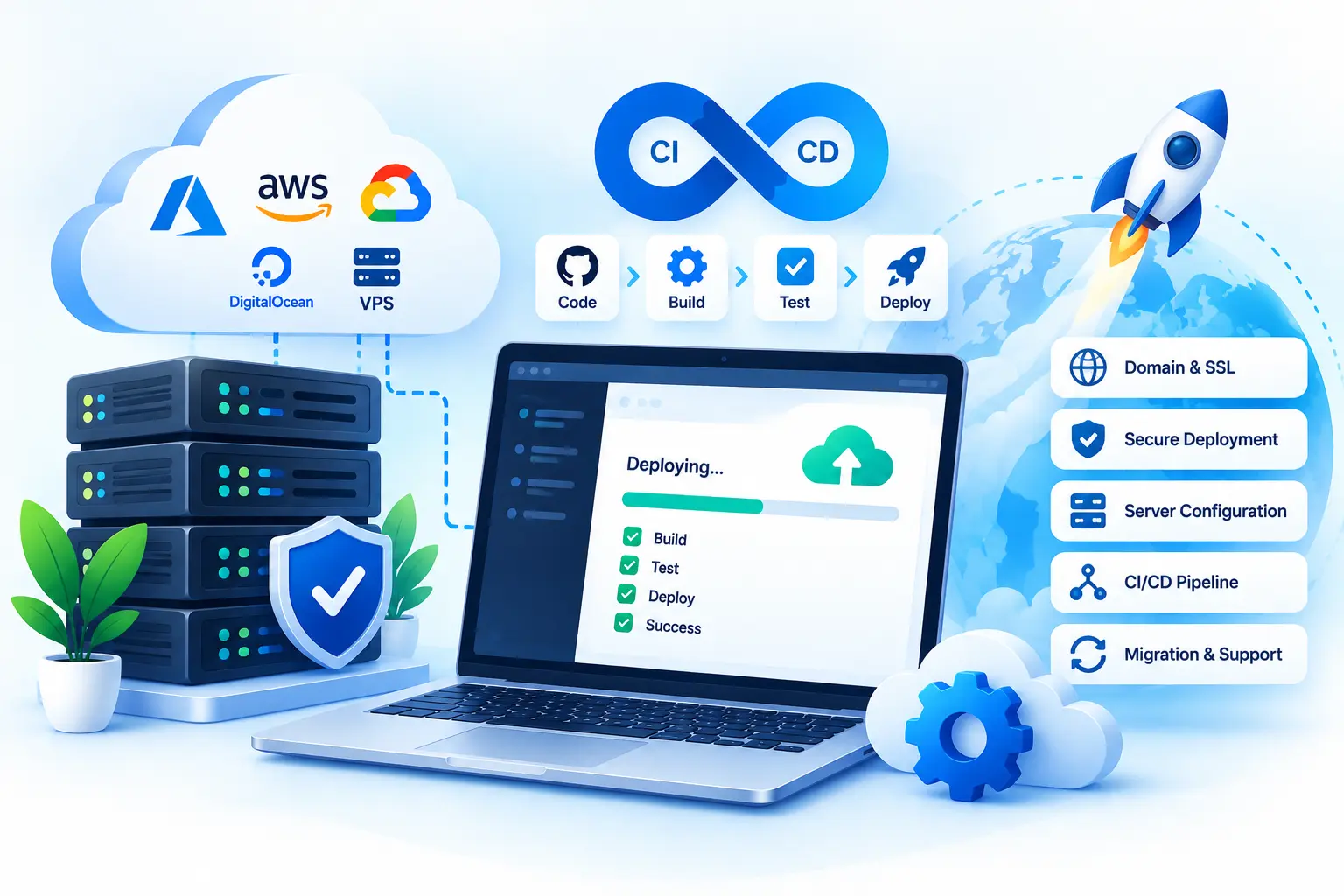
Move applications from development to production with reliable deployment, hosting, CI/CD, server configuration, and release support.
Let's Work Together
Have a project in mind?
Let's build something that works for your business.
Tell us about your project, requirements, or technical challenges.
We'll help you explore the right solution and next steps.
✓
Clear Communication
Stay informed throughout the project
✓
Practical Solutions
Focused on your actual business needs
✓
Experienced Team
Professional development experience
Start a Conversation
Let's discuss your project
Whether you have a new idea or need help with an existing
application, we're here to help.
Get in Touch
→
No obligation · Let's talk about your project